
Rapid & Reliable: ICC on Cytology Samples in Modern Diagnostics
Date: June 3, 2026 from 12:00- 1:30 (EST)
Host & Moderator
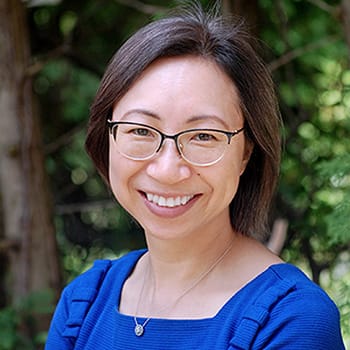
Carol C. Cheung MD, PhD, JD, FRCPC
Deputy Director, Canadian Biomarker Quality Assurance
Provincial Head and Professor | Pathology & Laboratory Medicine
College of Medicine, University of Saskatchewan | Saskatchewan Health Authority
Speaker

Heather Ruff BS, MPH DO
Saskatoon, Saskatchewan
Pathologist, Department of Pathology, Saskatchewan Health Authority & University of Saskatchewan, Saskatoon, Canada
Heather Ruff is an Associate Professor and Pathologist at the Saskatchewan Health Authority and the University of Saskatchewan in Saskatoon, Saskatchewan, Canada. She has training in Anatomic and Clinical Pathology as well as Cytopathology and Medical Microbiology. Her main interests are expanding the utility of cytopathology specimens and their derivatives for immunocytochemical and molecular biomarker testing.
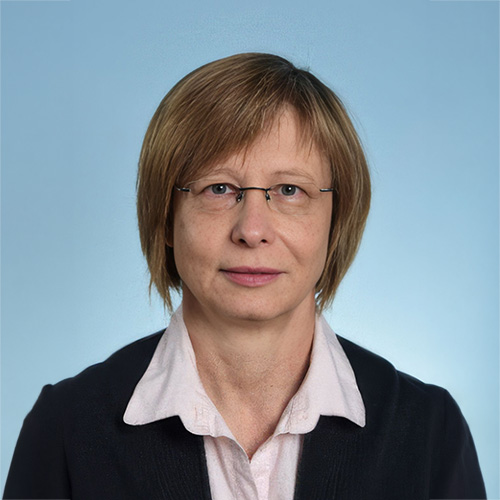
Irena Srebotnik Kirbis BSc, PhD
Ljubljana, Slovenia
Institute of Pathology, Faculty of Medicine, University of Ljubljana, Slovenia
Irena Srebotnik Kirbis, PhD, is a Biomedical Scientist and Research Associate at the Institute of Pathology, Faculty of Medicine, University of Ljubljana, Slovenia. Her professional background includes cytopathology practice at the Institute of Oncology Ljubljana, with expertise in immunocytochemistry, sample processing, and quality improvement.
Her current work focuses on the optimized use of immunocytochemistry in cytology. She has served as Slovenia’s representative in the European Advisory Committee of Cytotechnology (EACC) since 1997 and as an assessor in two external quality programmes for cytology: the United Kingdom National External Quality Assessment Service (UK NEQAS) for Immunocytochemistry since 2004, and UK NEQAS Cellular Pathology Techniques (CPT) since 2014 and has authored several peer-reviewed publications.
Brief Description
This session demonstrates how even scarce cytology samples can be effectively used for immunocytochemistry (ICC), emphasizing rapid turnaround, diagnostic reliability, and the potential to support minimally invasive, timely clinical decision-making.
Learning Objectives
- Compare cytology sample processing methods, including their advantages and limitations, and apply best practices to ensure optimal specimen quality for timely and accurate diagnosis.
- Differentiate immunocytochemistry (ICC) and immunohistochemistry (IHC), including their similarities, differences, and appropriate clinical applications.
- Evaluate the challenges of cytology sample processing for ICC in the context of rapid diagnostic workflows (including ROSE), and justify the need for dedicated validation and optimization strategies.
- Apply quality assurance principles in ICC to achieve reliable and reproducible results, supporting accurate diagnosis, personalized treatment decisions, and minimally invasive patient care.