
Targeting the Tumour: How Biomarkers Are Changing Ovarian Cancer Care
Date: November 4, 2026 12:00-1:30 pm (EST)
Host / Moderator:

Shamini Selvarajah PhD, DABMGG, FACMG, FCCMG
Toronto, Ontario
Director, Solid Tumour Genomics, Division of Genome Diagnostics
Laboratory Medicine Program | University Health Network - A Healthier World
Assistant Professor | University of Toronto
Department of Laboratory Medicine & Pathobiology
Speakers
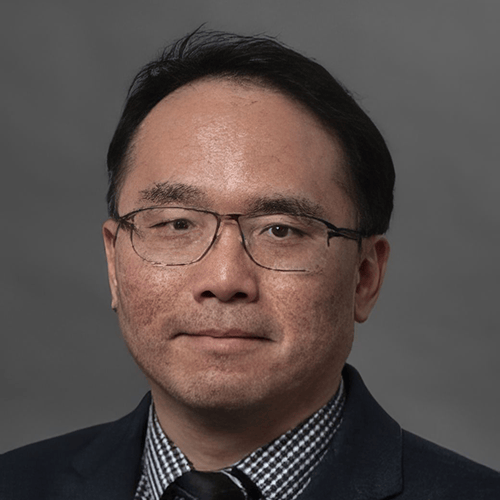
Cheng-Han Lee MD-PhD, FRCPC
University of Alberta
Dr. Lee received his MD-PhD degree from the University of British Columbia and completed his Anatomic Pathology residency training (UBC), followed by post-doctorial fellowships at Standard University Medical Center and Brigham and Women's Hospital. Dr. Lee currently holds the Sawin-Baldwin Chair for ovarian cancer research at the University of Alberta. His laboratory focuses on the development of patient-derived models of gynecologic tract cancer, where they apply high-throughput assays to gain therapeutic insights. Clinically, he is a pathologist at Royal Alexandra Hospital with a diagnostic focus on gynecologic and sarcoma pathology.
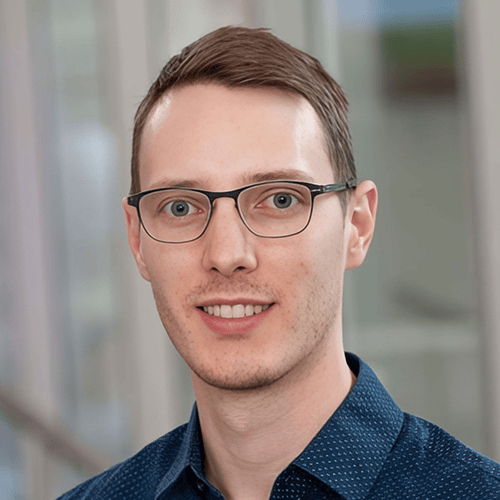
Basile Tessier-Cloutier MD
McGill University Health Centre
Dr. Tessier-Cloutier is a Consultant Gynecologic Pathologist at the McGill University Health Centre (MUHC) and Principal investigator at the Research Institute (RI-MUHC). His research focuses on the morphologic and molecular profiling of undifferentiated gynecologic malignancies and experimental model development. His research program is supported by the CIHR, FRQS, and TFRI.
Brief Description
Ovarian cancer management is increasingly driven by predictive biomarkers, and pathologists sit at the centre of the decisions they inform. This session reviews the biomarkers now shaping therapeutic selection, homologous recombination deficiency for PARP inhibitor eligibility, FOLRα for mirvetuximab soravtansine, PD-L1, and HER2 in the context of emerging antibody-drug conjugates, with attention to the respective roles of immunohistochemistry and molecular testing, scoring conventions and their reproducibility, and the interpretive pitfalls most likely to affect reporting. We will also address validation: how these assays are qualified against their companion trials, and what constitutes adequate local verification in a rapidly moving field.
Learning Objectives
- Identify the key emerging biomarkers in ovarian cancer and describe their impact on treatment decisions.
- Describe current practices and future perspectives for immunohistochemistry and molecular testing in ovarian cancer.
- Explain validation approaches for ovarian biomarkers and their relevance to pathology practice.