
In the Bloodline: Unmasking Hereditary Hematologic Malignancies
Date: October 6, 2026, 2026 12:00-1:30 pm (EST)
Host / Moderator:

Shamini Selvarajah PhD, DABMGG, FACMG, FCCMG
Toronto, Ontario
Director, Solid Tumour Genomics, Division of Genome Diagnostics
Laboratory Medicine Program | University Health Network - A Healthier World
Assistant Professor | University of Toronto
Department of Laboratory Medicine & Pathobiology
Speakers

José-Mario Capo-Chichi PhD, FCCMG, DABMGG
Staff Scientist, Director, Malignant hematology genomics
Genome Diagnostics, Laboratory Medicine Program, University Health Network
Dr Capo-Chichi is a clinical scientist and director of malignant hematology genomics at the Genome Diagnostics Laboratory at University Health Network in Toronto. He is an assistant professor in the department of Laboratory Medicine and Pathobiology at the University of Toronto. He is a clinician investigator at the Princess Margaret Cancer Centre Research Institute with a primary focus on the genomic bases of acquired and inherited myeloid malignancies. His interest include the improvement of traditional genomic approaches and the development of novel clinical tests for diagnosis and prognostication of cancers, using high-throughput genotyping strategies.
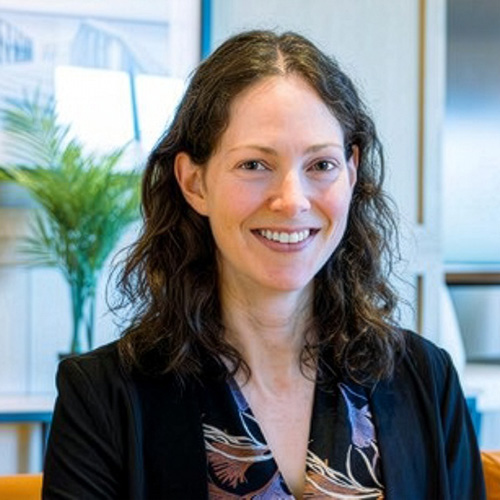
Dr. Amy Trottier MD, MSc, FRCPC
Associate Professor
Division of Hematology and Hematologic Oncology, Dalhousie University, Halifax, NS, Canada
Dr. Trottier is originally from Halifax and completed her undergraduate degree and a Master's in physical chemistry at Dalhousie University before entering into medical school. She completed medical school training at Dalhousie University then moved to Calgary for Internal Medicine and Hematology residencies. It was while in Calgary, that she became exposed to and interested in patients and families that seemed predisposed to developing hematologic malignancies. She pursued this interest through undertaking a postdoctoral research fellowship at the University of Chicago. She moved back to Halifax in January of 2020 where she currently works as an associate professor in the division of hematology and hematologic oncology. She runs a local translational research program and established a hereditary hematologic malignancy risk clinic, the first of its kind in Canada, with local clinical germline genetic testing capabilities for hereditary hematologic malignancy syndromes.
Brief Description
Acquired or hereditary blood cancers can be caused by deleterious variants in the same genes (e.g. CEBPA, DDX41, RUNX1). Disease-causing variants in such genes with predisposition to hereditary hematologic malignancies (HHM) can be encountered, while sequencing the tumor (e.g. peripheral blood or bone marrow) of individuals with seemingly acquired blood cancers (e.g. acute leukemia, myelodysplastic syndromes). In this session, we will explore differences in patterns of tumor variants that can help differentiate somatic/acquired variants from suspicious HHM germline variants warranting germline testing in an appropriate tissue (e.g. skin fibroblasts). The second half of the talk will focus on the current and evolving germline genetic testing landscape for HHM, including pros and cons of current gold standard testing as well as less invasive testing methods.
Learning Objectives
- Recognize common HHM genes from tumor profiling panels
- Delineate clonal variants signature in the tumor of individuals with seemingly acquired blood cancers
- Provide tips to germline variants confirmation in tumor-first testing.
- Outline and contrast various options for germline genetic testing in HHM as well as determine which type of testing is most appropriate in specific clinical settings.