
Buy, Build, or Both: AI for the Modern Pathologist
Date: April 30, 2026 from 12:00-1:30 pm (EDT)
Speakers
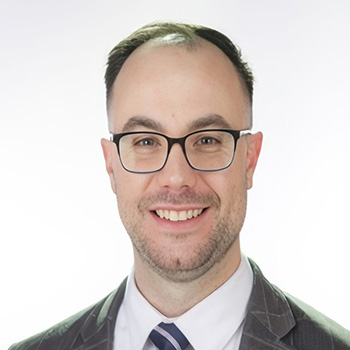
Matthew Cecchini MD, PhD, FRCPC
London, Ontario
Pathologist, London Health Sciences Centre
Associate Professor, Western University
Matt Cecchini, MD, PhD, FRCPC, is an Associate Professor of Pathology at Western University and a staff pathologist at London Health Sciences Centre in London, Ontario, with subspecialty expertise in head and neck, thoracic, and molecular pathology following fellowship training at the Mayo Clinic. He serves as Digital Pathology Transformation Lead at LHSC and sits on the boards of the Digital Pathology Association. His work focuses on translating AI and computational pathology tools into real-world clinical workflows.
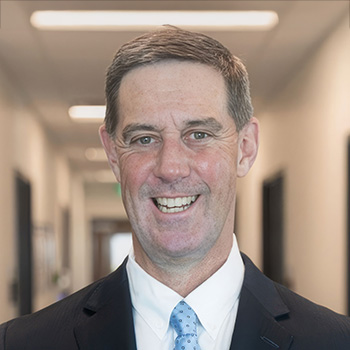
Andrew Evans MD PhD FACP FRMD, PhD, FACP, FRCPCCPC
Toronto, Ontario
Chief of Pathology, Mackenzie Health
Associate Professor, University of Toronto
Chief of Pathology and Medical Director of Laboratory Medicine, Mackenzie Health; Associate Professor Department of Laboratory Medicine and Pathobiology, University of Toronto. Dr. Evans is Chief of Pathology at Mackenzie Health (MH), a large community hospital in the Greater Toronto Area that has transitioned to digital pathology. Prior to moving to MH, he was at University Health Network in Toronto serving as Director of Digital Pathology from 2004-2020. He has been extensively involved in developing best practice documents for digital pathology with the College of American Pathologists (CAP). He chaired the CAP Digital and Computational Pathology Committee from 2016-2021 and serves on the Artificial Intelligence Committee, Council on Informatics and Pathology Innovation. He is also the current clinical lead for the Pathology Panel within the Ontario Laboratory Medicine
Episode Guest Host/ Moderator
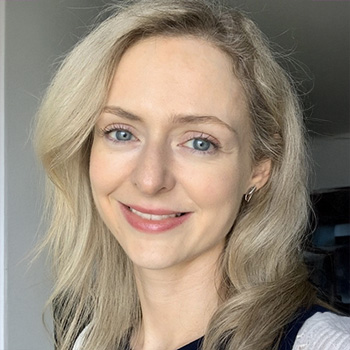
Susan Prendeville MB BCh, BAO, FRCPath
Toronto, Ontario
Pathologist, University Health Network
Assistant Professor, University of Toronto
Dr Susan Prendeville is a urologic pathologist and director of the urologic pathology fellowship at University Health Network, Toronto, and an assistant professor at the University of Toronto. She completed residency training in Ireland followed by subspecialty fellowship in urologic pathology at the University of Toronto. Her research interests include biomarker and pathology classification in prostate and renal cancer.
Session Description
AI tools for pathology are multiplying, but the central question for most labs remains practical: buy a commercial solution, build your own, or both? This talk surveys commercial AI platforms for workflow optimization, explores pathology foundation models and their applications in triage and feature extraction, and demonstrates how accessible DIY tools like Claude, Gemini, and Google AI Studio let pathologists prototype solutions where commercial offerings fall short. Attendees will leave with a concrete implementation roadmap and a framework for validation, governance, and sustainability.
Learning Objectives
After this episode, the participant will be able to:
- Compare commercial AI platforms for pathology workflow optimization including case prioritization, pre-screening, and workload distribution.
- Describe how pathologists should interact with AI tools to improve quality in their practice through decision support and recognition of algorithm failures
- Describe strategies for evaluating and implementing commercial AI solutions targeting laboratory workflow bottlenecks.
- Explain pathology foundation models and their applications in workflow tasks such as tissue search, case triage, and feature extraction.
- Use accessible DIY tools to prototype workflow solutions where commercial offerings have gaps.
- Develop a practical implementation roadmap for integrating AI tools into laboratory workflows.
- Apply a framework for evaluating validation, governance, and sustainability of both commercial and DIY AI tools.